

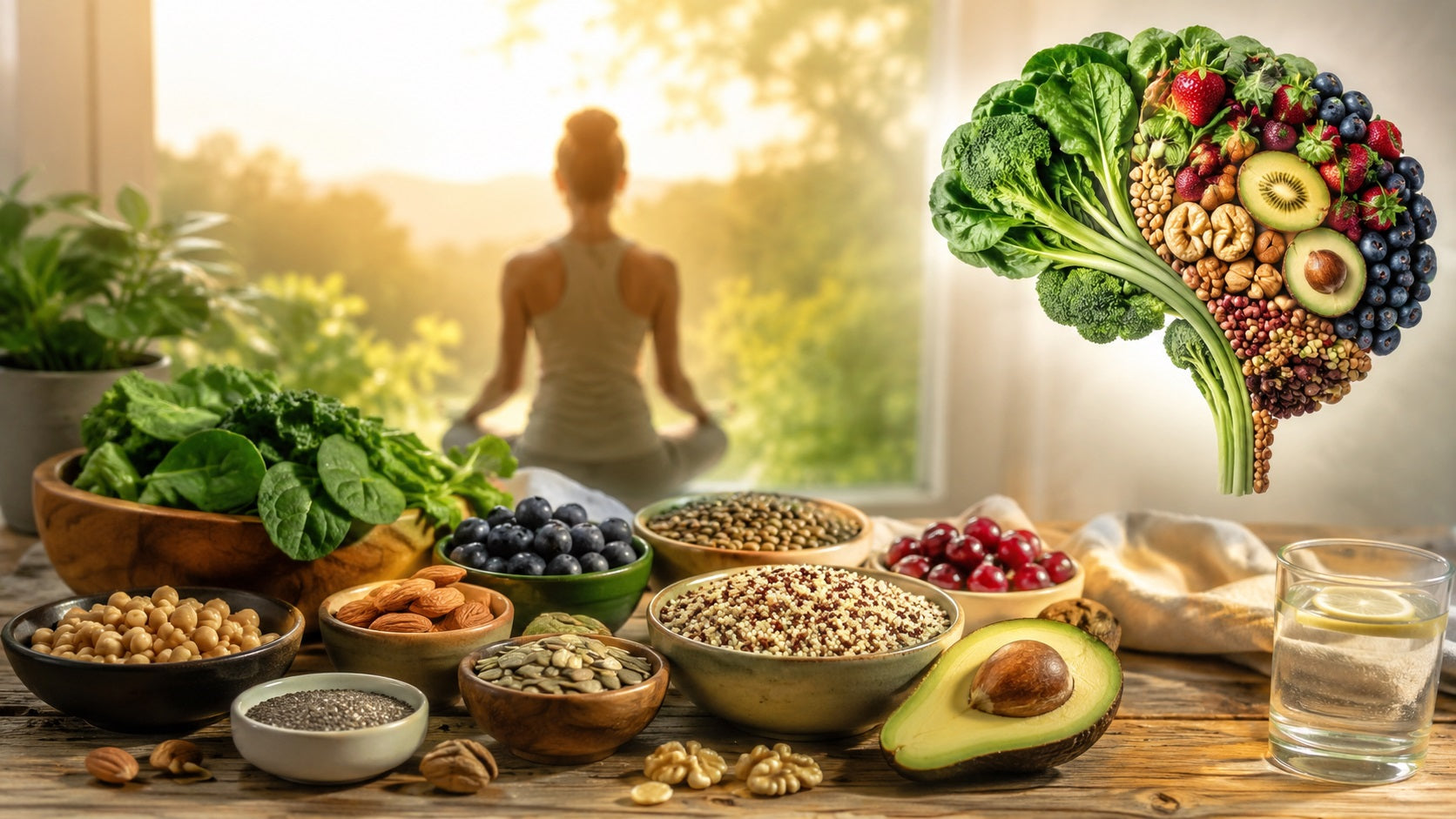
Plant-based diet and depression are increasingly discussed by people in Riyadh, Jeddah, and across Saudi Arabia. Many individuals are looking for natural ways to support their mental health, improve their mood, and maintain a healthier lifestyle.
A balanced plant-based diet can provide vitamins, minerals, fiber, antioxidants, and healthy fats that support the brain and nervous system. However, food should not be considered a stand-alone treatment for depression. Instead, nutrition may complement professional medical or psychological care.
The Connection Between a Plant-Based Diet and Depression
Diet quality can influence both physical and mental well-being. A balanced diet based on whole plant foods may provide the nutrients the brain needs to function properly.
Whole plant foods include vegetables, fruits, legumes, whole grains, nuts, and seeds. These foods also contain antioxidants and plant compounds that help protect cells from oxidative stress and inflammation.
Therefore, the connection between a plant-based diet and depression depends more on food quality and nutritional balance than on simply avoiding animal products.
How Plant-Based Foods Support Mental Health
Dark leafy vegetables, including spinach, kale, and arugula, provide folate. This nutrient supports normal nervous system function and is involved in processes related to neurotransmitter production.
Nuts and seeds also provide minerals and healthy fats. For example, walnuts, flaxseeds, and chia seeds contain alpha-linolenic acid, a plant-based form of omega-3 fatty acid.
In addition, colorful fruits and vegetables contain antioxidants that help protect the body's cells. Including these foods in a balanced diet may support general health and normal brain function.
Plant-Based Foods That May Support a Better Mood
A healthy approach to plant-based diet and depression should focus on whole foods rather than highly processed vegan products, sugary drinks, and refined snacks.
Whole Grains
Whole grains such as oats, brown rice, bulgur, and whole-grain bread provide complex carbohydrates. These foods release energy more gradually than refined carbohydrates.
Balanced meals may also help prevent sudden changes in hunger and energy levels, which can affect concentration and mood in some people.
Nuts and Seeds
Almonds, cashews, pumpkin seeds, sesame seeds, and other nuts provide magnesium, plant protein, and healthy fats.
Magnesium supports normal nervous system function, muscle function, and energy production. However, nuts and seeds are calorie-dense, so portion control is important.
Legumes
Lentils, chickpeas, beans, and peas are excellent sources of plant-based protein. They also contain fiber, iron, and folate.
Combining legumes with whole grains can create satisfying and nutritionally balanced meals, especially for people who avoid meat and other animal products.
Fruits and Vegetables
Fruits and vegetables provide essential vitamins, minerals, fiber, and antioxidants. Eating a variety of colors can help increase the range of nutrients and plant compounds in the diet.
Useful options include berries, oranges, apples, bananas, tomatoes, carrots, peppers, and leafy green vegetables.
The Gut-Brain Connection
The digestive system communicates with the brain through what is known as the gut-brain axis. As a result, gut health may indirectly influence mood, stress responses, and overall well-being.
Plant-based diets are usually rich in fiber. Fiber supports beneficial gut bacteria, particularly when it comes from fruits, vegetables, legumes, and whole grains.
Digestive responses can differ between individuals. Therefore, people who are new to plant-based eating should increase fiber gradually and drink enough water.
Are All Plant-Based Diets Good for Mental Health?
Not necessarily. A plant-based diet may still contain large amounts of processed foods, sweets, sugary drinks, refined grains, and unhealthy snacks.
In such cases, it may not provide the same benefits as a balanced diet based on whole plant foods. The relationship between a plant-based diet and depression therefore depends on the overall nutritional quality of the diet.
A balanced eating pattern should emphasize:
Fresh vegetables and fruits.
Whole grains.
Legumes.
Nuts and seeds.
Healthy fats such as olive oil and avocado.
Foods with limited added sugar and minimal processing.
Important Nutrients to Monitor
People following a fully vegan diet should pay close attention to vitamin B12, iron, zinc, calcium, vitamin D, iodine, protein, and omega-3 fatty acids.
Vitamin B12 is particularly important because it is not naturally available in sufficient amounts in most plant foods. Some people may therefore need fortified foods or a supplement under the guidance of a doctor or registered dietitian.
Supplements should not be taken randomly. Excessive or inappropriate doses may cause side effects or interact with medications.
Tips for Following a Balanced Plant-Based Diet
Begin by introducing plant-based meals gradually instead of changing your entire diet overnight. You may start with several plant-based meals each week and increase them over time.
Include a source of plant protein in every main meal. Suitable options include lentils, chickpeas, beans, tofu, and peas.
Add whole grains, vegetables, and healthy fats to make each meal more balanced. It is also important to eat a wide variety of foods rather than relying on only a few ingredients.
Regular physical activity, adequate sleep, moderate sun exposure, and positive social interaction can also support emotional well-being.
When to Seek Professional Support
Improving nutrition may support mental health, but it does not replace professional treatment for depression.
Professional help should be sought when sadness, loss of interest, low energy, or other symptoms continue for an extended period or affect work, sleep, study, relationships, or everyday activities.
Urgent support is necessary if a person experiences thoughts of self-harm or feels that life is no longer worth living.
Conclusion
The connection between a plant-based diet and depression suggests that balanced plant-based eating may support brain health, nutritional quality, and general emotional well-being.
The greatest benefits are likely to come from eating a variety of vegetables, fruits, whole grains, legumes, nuts, and seeds while monitoring nutrients that may require supplementation.
Ultimately, a plant-based diet should be viewed as one part of a healthy lifestyle and not as a replacement for medical or psychological treatment for depression.


